Peptide education: learn the science of therapeutic peptides.
A peptide is just a short chain of amino acids: a signaling molecule, not magic. Learn what these molecules really do, what the research actually shows, and where the evidence is still early, before you trust any of them with your body.
A peptide = a short chain of amino acids linked by peptide bonds. Hover the chips to explore.
From "what is a peptide?" to research-literate
Five stages, each building on the last. Skip ahead if you like, but the deep-dives land harder once the foundations are solid.
Free peptide education modules: foundations to deep-dives
Five short modules. No account, no payment, no email. Read them in order, or jump to what you're missing.
How we weigh the evidence
Most "peptide research" online is in-vitro or rodent work quoted as if it applies to humans. Our 5-tier system labels every claim by the strength of the study behind it, so you can tell a Phase 3 readout (semaglutide STEP-1, tirzepatide SURMOUNT-1) from a single mouse paper at a glance.
Tiers appear on every peptide page, on each benefit and risk, and on individual mechanism claims. They're also how we decide what gets a "not enough data yet" call-out instead of a deep-dive. The BPC-157 repair literature, for example, is overwhelmingly rodent, and we say so plainly.
Spot the hype
Three real claims you'll see online. Guess the tier each one actually earns, then see how the literature grades it. (1 = strongest, 5 = weakest.)
"Semaglutide produces around 15% average body-weight loss."
Tap the tier you'd assign"BPC-157 heals tendon and ligament injuries."
Tap the tier you'd assign"GHK-Cu reverses skin aging at the gene level."
Tap the tier you'd assignPeptide education by category: metabolic, repair, skin, cognitive
Every page covers mechanism, trial evidence, benefits, risks, and references, each claim tagged by tier. Module 1 of every course is free.
Weight management & metabolism
GLP-1, dual / triple agonistsTissue repair & recovery
Tendons, gut, soft-tissueSkin, hair & pigmentation
Copper peptides, MSH analogsCognition & longevity
Nootropic and senolytic peptidesSafety, sourcing & what a CoA can't tell you
Most peptide problems aren't about the molecule. They're a mislabeled vial, a contaminated batch, or a contraindication nobody flagged. The FDA has repeatedly warned about compounded peptide quality and identity issues. Risk education is the part seller pages skip.
Every peptide page has a dedicated safety section: side effects by frequency, drug interactions, the populations trials excluded, and how to read a Certificate of Analysis without taking it at face value. Pharmacology of the major GLP-1 class is covered in detail in the published mechanism reviews.
What we cover under "safety"
Interactive peptide education tools and calculators
The math is part of the learning. Use these to turn research into something you can reason about, not to skip the reasoning.
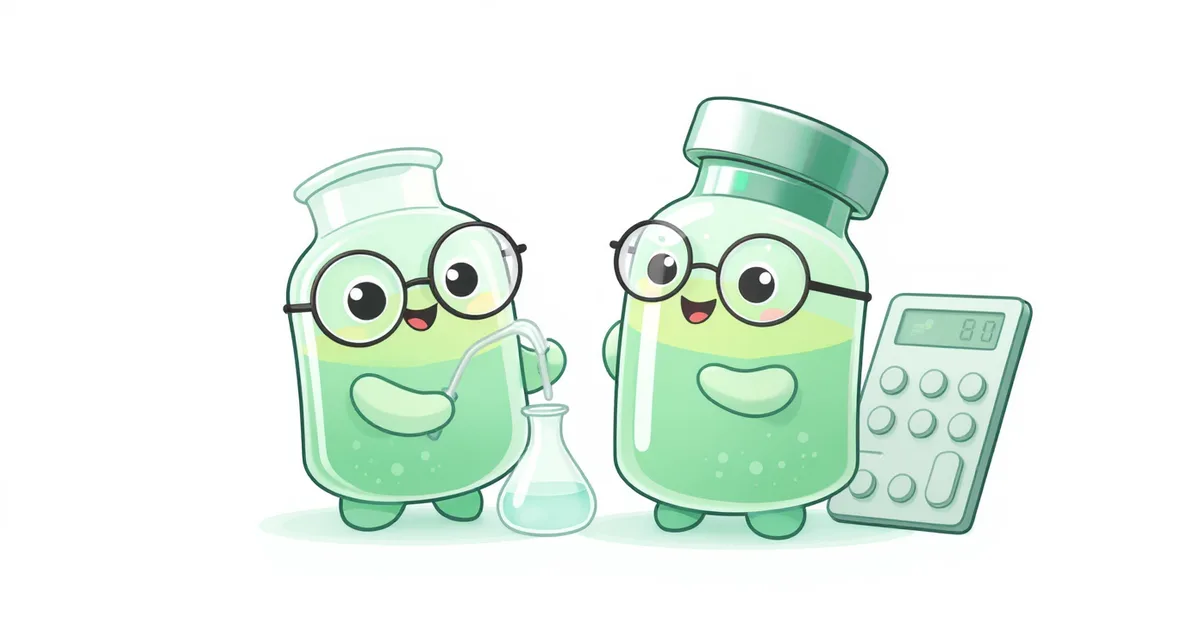
Reconstitution calculator
Turn vial strength, water, and target dose into syringe units, with the math shown
Open tool ›
Peptide safety checker
Screen interactions, contraindications, and evidence tier before going further
Open tool ›
Stack builder
See synergy and conflict between commonly combined molecules, with timing
Open tool ›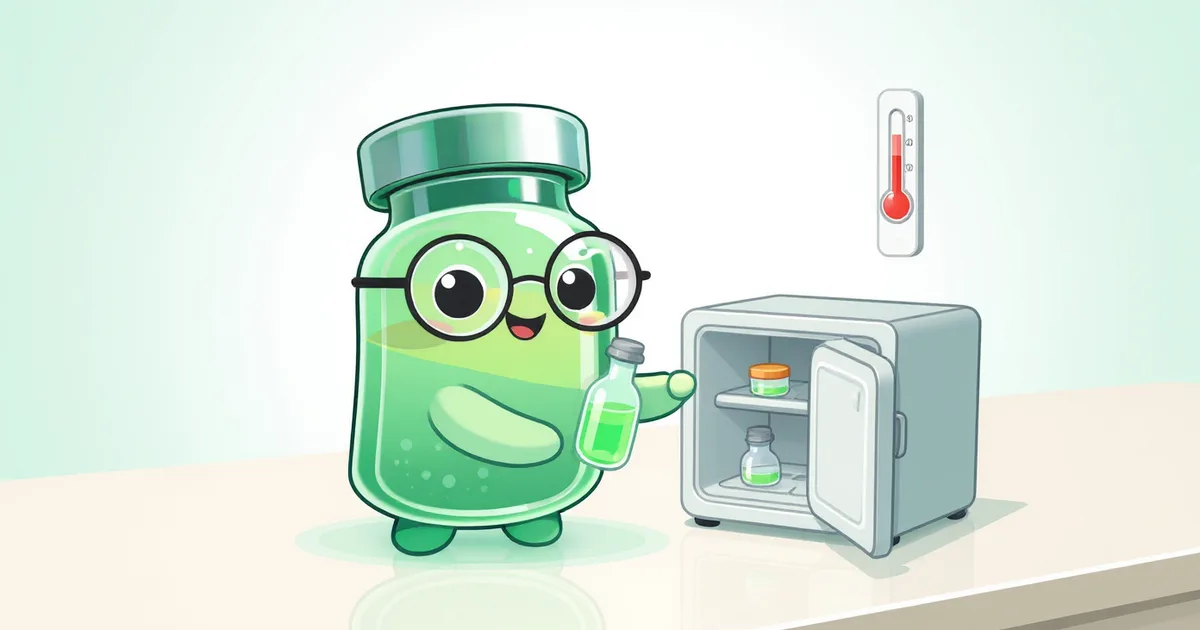
Storage stability calculator
Estimate degradation timelines by temperature and reconstitution state
Open tool ›
Reconstitution protocols
Visual step-by-step protocols, unit math, and the storage chemistry behind them
Read guide ›
Browse all 25+ blogs
The peptide craze explained, GLP-1 head-to-head, cognitive peptides, and more
Browse all ›Questions worth asking
Anyone who wants to understand peptides at a research level rather than a "what should I stack?" level: clinicians, researchers, and individuals deciding whether the science supports what an influencer is selling them.
Yes. The five foundation modules are open with no account, payment, or email required. Mastery courses are paid, but module 1 of each is free to preview.
Every therapeutic claim is tagged with one of five tiers, from Phase 3 / meta-analysis down to cell-line. We do not promote a finding past the tier its underlying study supports.
No. We do not sell, recommend, source, or take vendor commissions on any compound. That keeps the safety and evidence calls separate from the incentive to sell.
No. Peptides Academy is strictly educational. Trial summaries are sourced from published research and labeled by evidence tier, but they do not replace a clinician who knows your history.
Course content is re-checked against current literature monthly. When a new trial moves a claim up or down a tier, the page is updated and the change is logged.
Start where it makes sense.
Never thought about a peptide before? Module 1 is twenty minutes. Know the chemistry already? Skip straight to a deep-dive.
Not medical advice
Peptides Academy is an educational resource. We do not sell, prescribe, dispense, or recommend any compound. Nothing here replaces a qualified clinician who knows your health history. Always consult one before considering any peptide.